Science & Monitoring
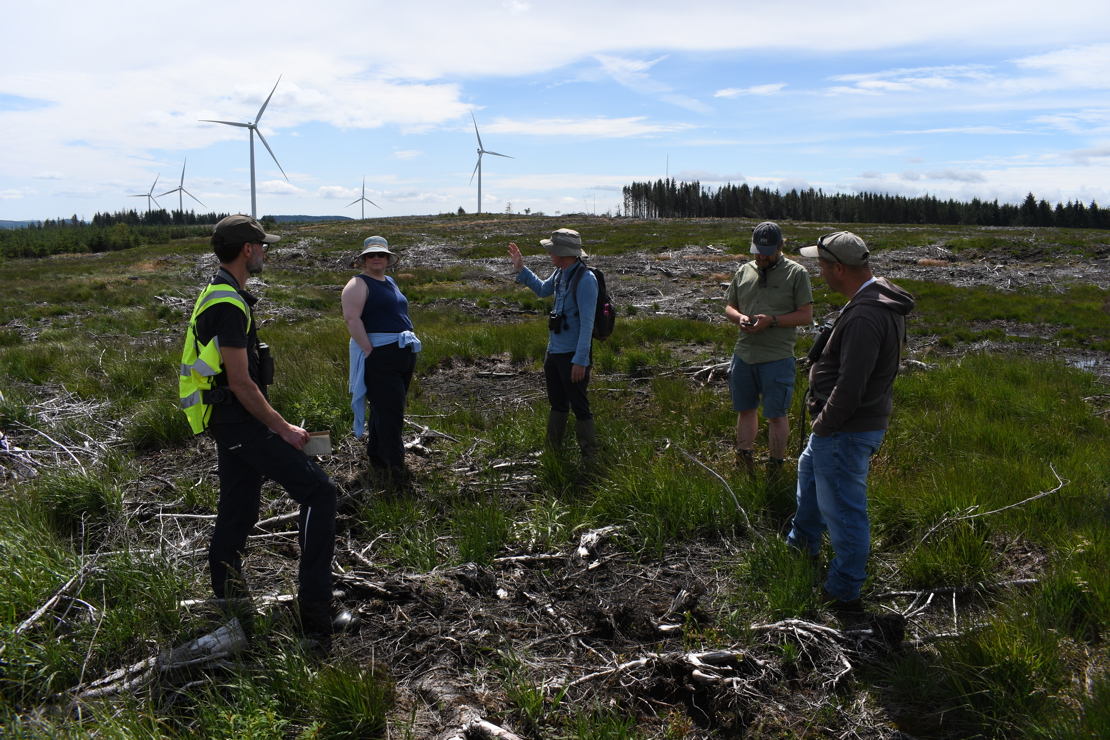
From 2021–2025, the Lost Peatlands project delivered one of the most comprehensive peatland monitoring programmes ever undertaken in South Wales. Working with Swansea University and Natural Resources Wales, we gathered ecological, hydrological and carbon data across our Habitat Restoration Areas and Community Wild Spaces to understand exactly how restored peatlands behave, how wildlife responds, and how these landscapes contribute to climate resilience.
Our science programme has now produced a robust evidence base that will inform forest‑to‑bog restoration across Wales and beyond — an area where major evidence gaps previously existed.
What We Monitored
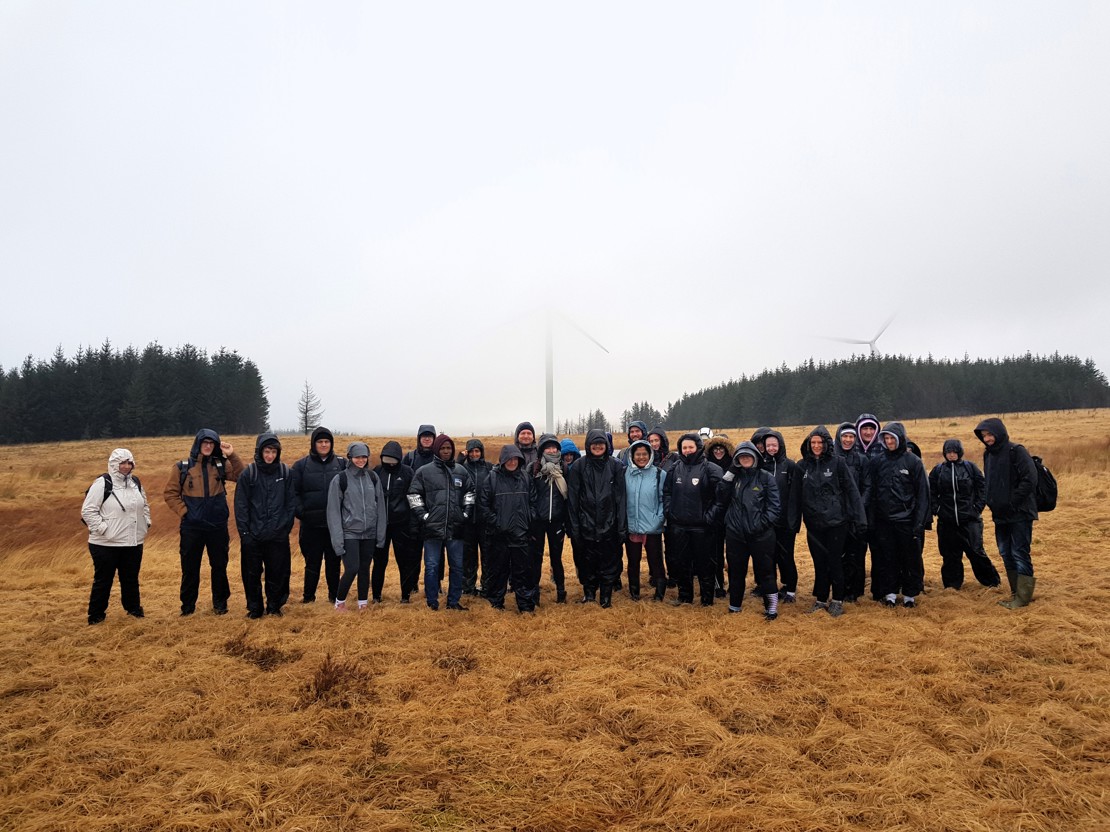
To measure the success of our restoration and track early‑stage ecosystem recovery, we monitored:
Water tables
Automatic water‑level loggers recorded hourly data at all restoration sites. Results show statistically significant rises in water tables at Castell Nos and Cwm Saerbren, with positive trends emerging at Cregan as longer datasets become available.
Fluvial carbon
Weekly sampling for total and dissolved organic carbon showed that restored sites did not produce major carbon flushes, and in many cases mirrored intact reference sites.
Vegetation change
More than 8,000 vegetation records now show clear increases in bog‑specialist species such as Sphagnum, Drosera and Narthecium. At Castell Nos, Sphagnum medium — a key peat‑forming species — expanded significantly, making the site a new stronghold in Glamorgan.
Wildlife
- Birds: 46 species were recorded across our sites, including multiple Red and Amber‑listed species such as Skylark, Willow Warbler, Tree Pipit and Whinchat. Bioacoustic monitoring revealed increasing soundscape complexity following restoration.
- Bats: Nine species were detected, with post‑restoration increases in both activity and species diversity at key sites.
- Water voles: A protected species rarely recorded in upland peatlands. At Castell Nos, signs of water voles expanded into new areas after restoration, supported by open‑water features created through damming and borrow pits.
Key Scientific Findings
- Restoration is working. Water tables are rising, and early vegetation responses are already visible. Sites are wetter, more stable and more suitable for bog‑building species.
- Wildlife is responding quickly. Activity and diversity of birds and bats increased in restored areas, and water voles expanded across Castell Nos for the first time on record.
- Carbon signals are positive. Restored sites showed no evidence of major post‑works carbon loss. The proportion of dissolved carbon (DOC) increased over time — an indicator of stabilising conditions.
- Monitoring innovations were developed here. Swansea University generated new methods for greenhouse‑gas flux measurement, catchment hydrology and peat compression following restoration, filling critical UK evidence gaps.
- CWS monitoring shows stability. Community Wild Spaces remained in good condition, with invasive‑species control and bracken management delivering local biodiversity benefits.
What This Means for Peatland Science
The Lost Peatlands project is now a major case study for forest‑to‑bog restoration in Wales. Our datasets are already being used in national peatland forums, academic research and future windfarm restoration schemes. Several findings — including the role of peat “compression” caused by cross‑tracking and the behaviour of methane in restored furrows — represent new contributions to the science of peatland recovery.
Long‑Term Monitoring
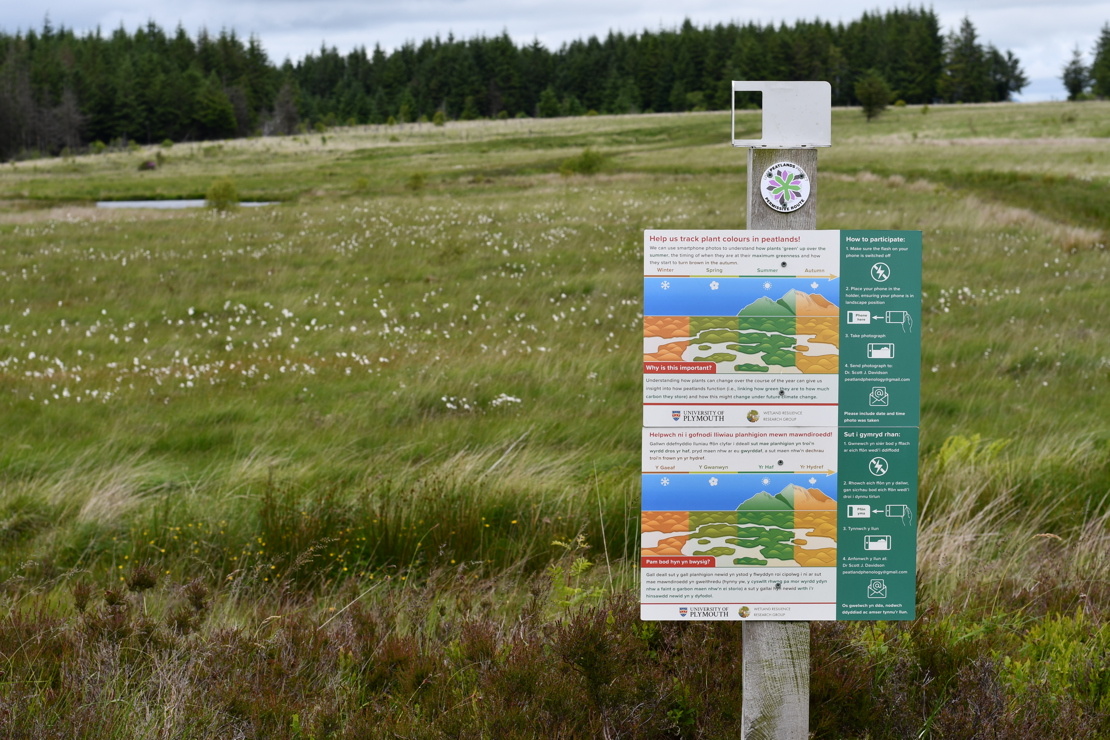
Although the restoration phase has ended, the science continues. Automatic water‑level loggers will remain in place for at least the next 10 years, and ongoing vegetation, carbon and wildlife surveys will continue through our partnership with Swansea University.
Additional long‑term monitoring is being carried out through:
- Swansea University’s research programme on the Pen y Cymoedd windfarm, funded by Vattenfall, which contributes detailed hydrological and ecological data.
- The National Peatland Action Programme (NPAP), which is gathering standardised monitoring evidence across Wales to assess nationwide peatland condition and restoration outcomes.
This ongoing work will allow us to track long‑term ecological change, refine best practice and continue strengthening the evidence base for upland peatland restoration in Wales.
Data Availability
All project datasets, including hydrological, ecological and carbon monitoring results, are available upon request, alongside the full ecologist report produced during the project.
For access to data or to enquire about future monitoring involvement, please contact:
LostPeatlands@npt.gov.uk