
Cregan Habitat Restoration Area (HRA)
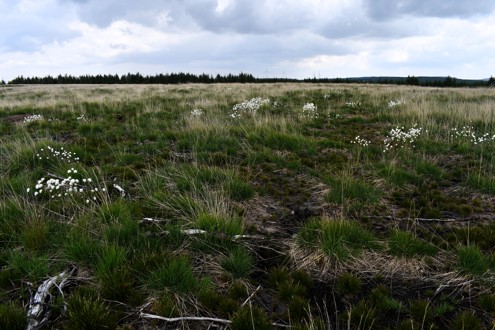
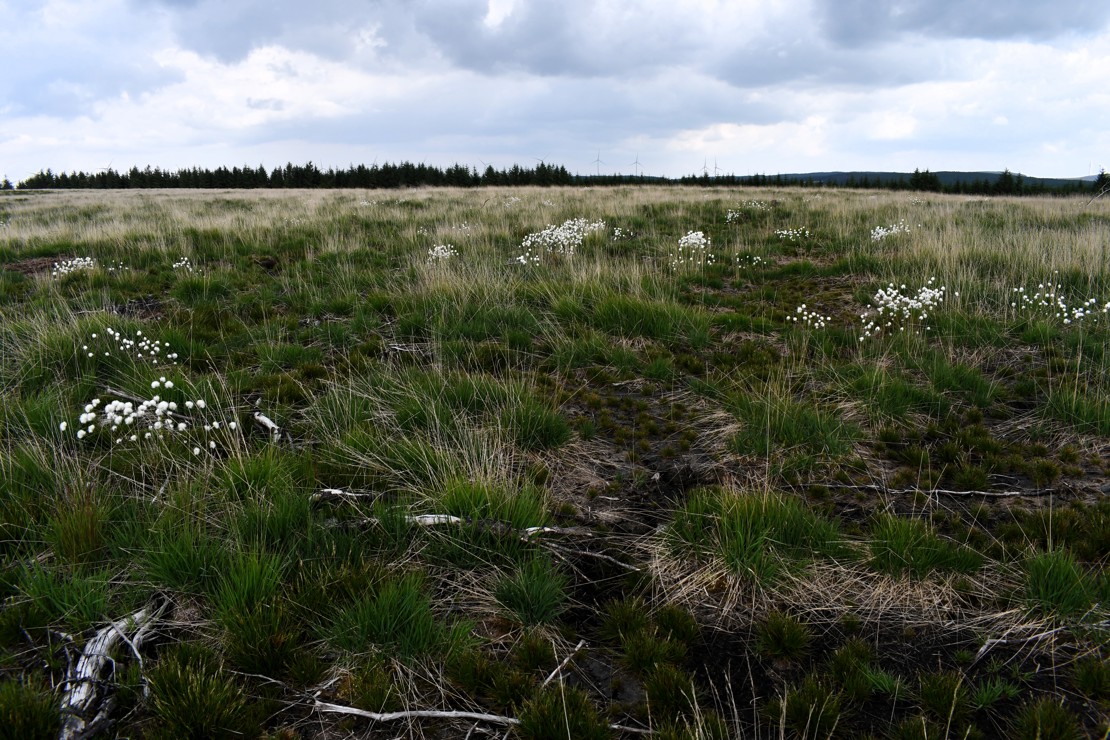
Cregan Habitat Restoration Area sits within the Afan forest block on the eastern edge of the Pen y Cymoedd Wind Farm, overlooking Glyncorrwg. Before restoration began, the landscape was a patchwork of standing conifers, recently felled forestry, bare peat and scattered fragments of upland mire — a legacy of decades of land‑use change that had altered the natural hydrology and degraded the bog habitat once found here.
Surveys carried out by our ecologists recorded 124 peat‑depth measurements, confirming that over half the site supports peat deeper than 0.5m, with the deepest areas reaching around 2 metres. Vegetation monitoring also identified several high‑quality bog pockets with abundant Sphagnum mosses and Drosera rotundifolia (round‑leaved sundew), two key peatland specialists, alongside important upland species such as Nightjar recorded during the 2021 breeding season.
Restoration at Cregan
Between April and December 2023, Cregan underwent a full programme of peatland restoration covering 48 hectares. This included stump‑flipping, peat damming and cross‑tracking to remove forestry plough lines, block drainage and raise water levels across the peat body.
Hydrological monitoring is ongoing through installed dipwells, and early indications suggest that water tables are beginning to respond positively, though long‑term datasets will provide clearer trends in the coming years.
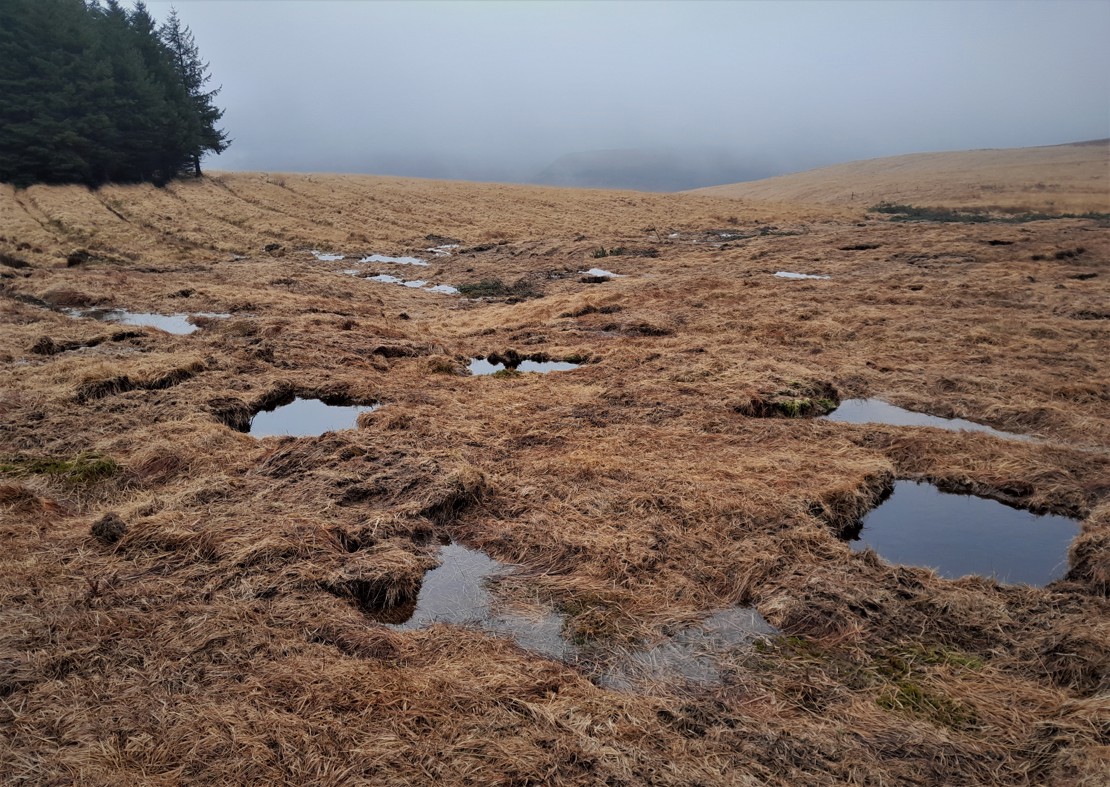
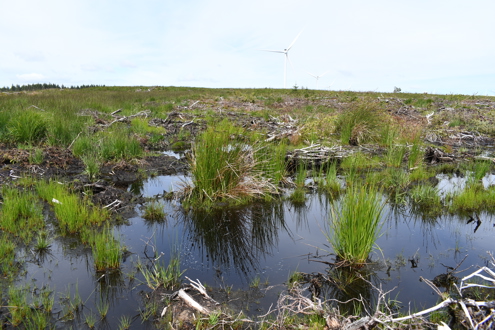
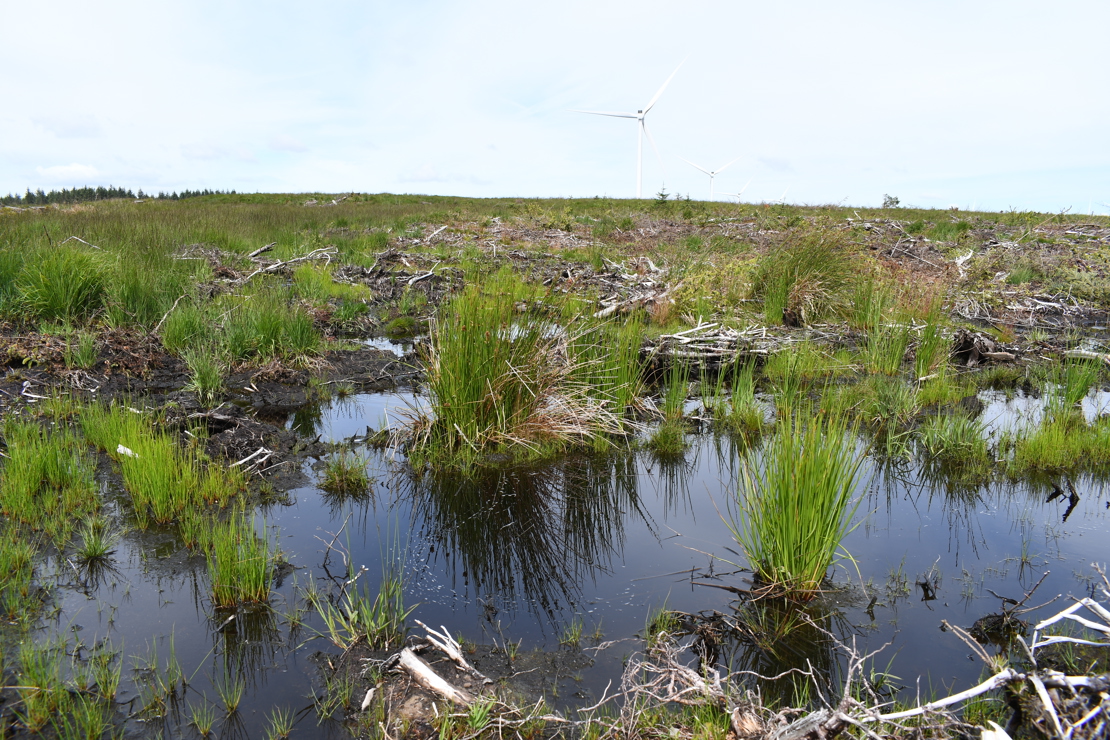
Cregan is currently in a transitional ecological phase: bare ground and woody debris from historic forestry are still visible, but mire specialists — including Sphagnum and Drosera — are already recolonising restored areas. This early response shows that the habitat is recovering and should continue to develop as hydrological conditions stabilise.
Why Cregan Matters
Restoring Cregan strengthens ecological connectivity across the Afan Valley and supports upland wildlife that relies on open, wet bog habitats. Over time, the site will provide improved conditions for peat‑forming species, help store carbon and contribute to slowing water flow through the catchment.
Castell Nos Habitat Restoration Area (HRA)
Castell Nos Habitat Restoration Area sits on the upland plateau above Maerdy, RCT, named after the nearby ancient monument overlooking the western valley side. Of all our restoration sites, Castell Nos contains the deepest peat and, during baseline surveys, supported the greatest concentration of specialist bog species across the project. The site is also home to a breeding population of water voles, which has expanded in distribution since restoration began.
As with many upland peatlands in South Wales, Castell Nos has a long land‑use history that has shaped its condition. Prior to restoration, the site was dominated by extensive Molinia caerulea (purple moor‑grass), with true bog species limited mainly to the wettest, flattest areas. Past wildfires had also affected vegetation structure, leaving the peat surface vulnerable to drying and erosion.
A Landscape Marked by Erosion
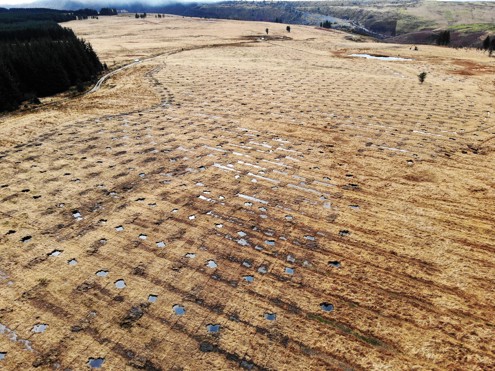
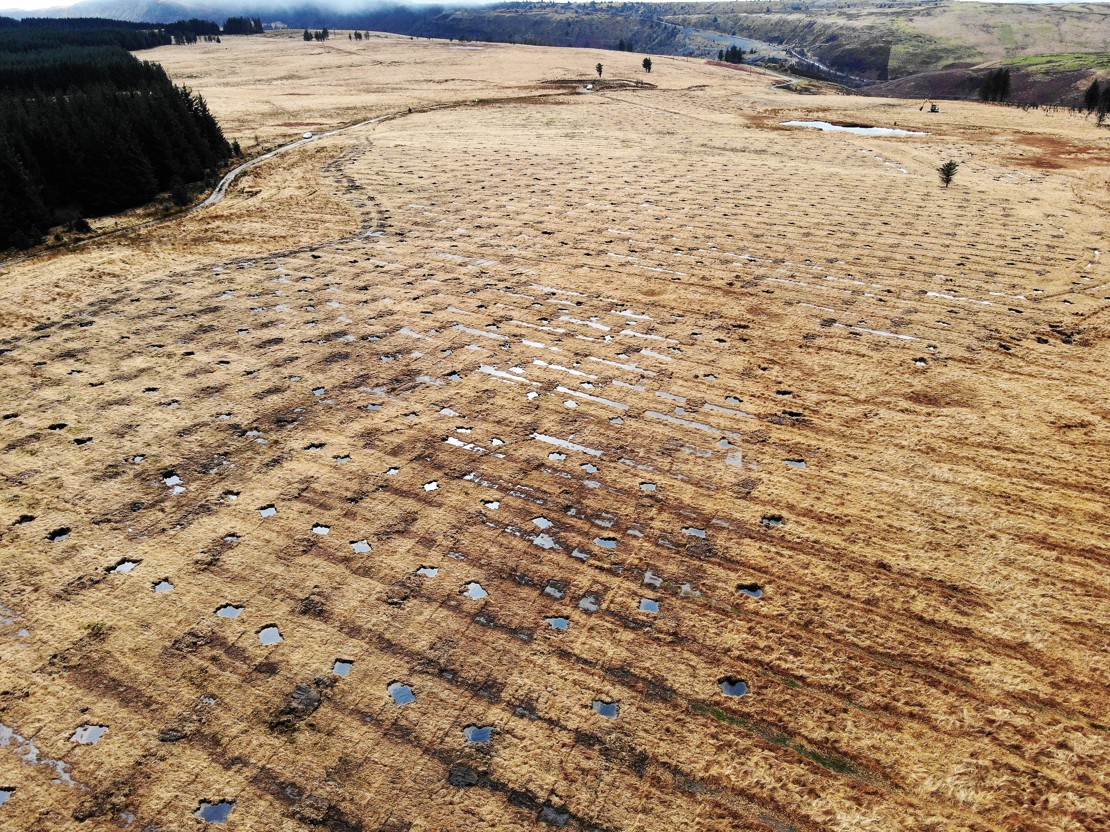
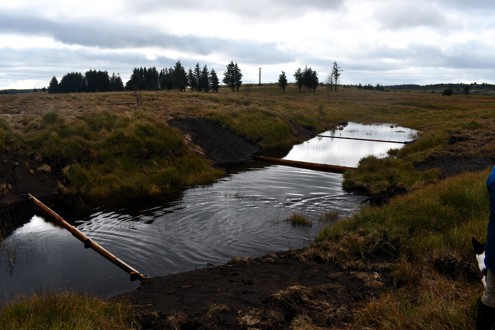
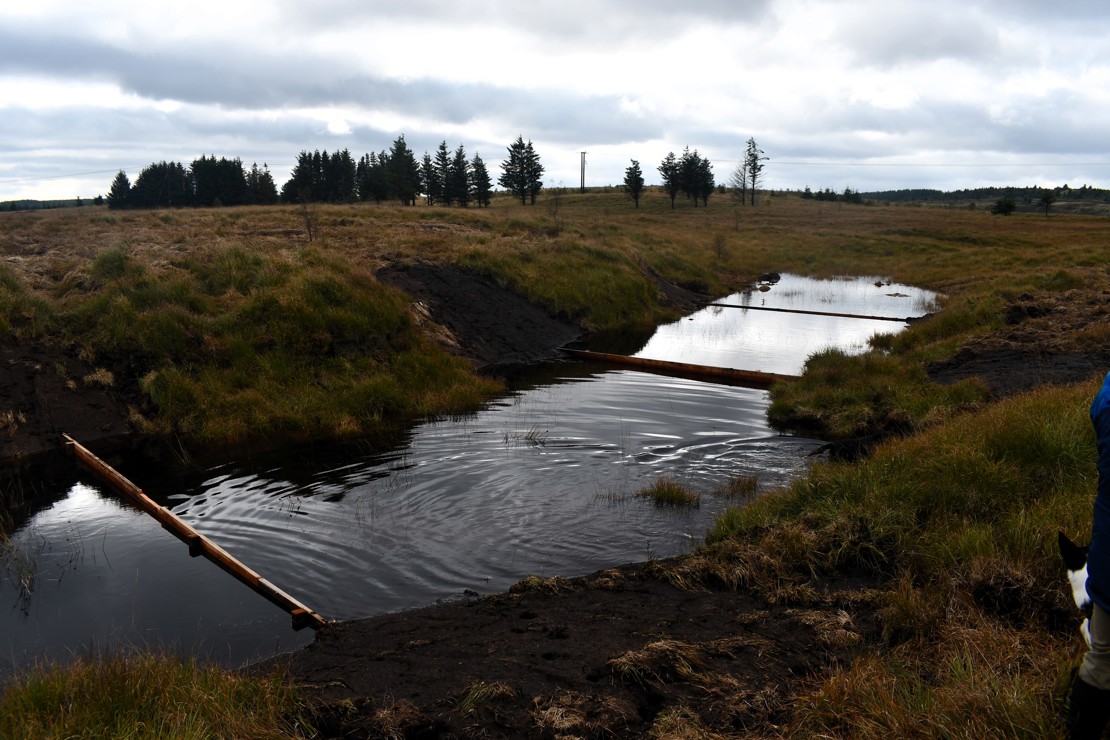
One of the distinctive features of Castell Nos is its network of large erosion channels, clearly visible on aerial imagery. These features required more substantial engineering than at our other sites, including the installation of timber dams, peat dams and compound dams to slow water, stabilise peat and rebuild hydrological function. More than 70 timber or peat/compound dams were installed during winter 2023/24, alongside extensive peat damming of plough lines and drainage channels.
These restoration tasks also provided valuable opportunities for volunteers to take part in practical conservation, learning about peatland restoration techniques while helping to deliver monitoring and vegetation improvements.
Restoration at Castell Nos
Restoration works were carried out in two major phases (2021/22 and 2023/24), covering more than 35 hectares of rewetted peatland. Techniques included:
- Cross‑tracking to remove forestry plough lines
- Peat damming to block drains
- Timber and compound dams in large erosion features
- Sphagnum plug planting across suitable areas
Hydrological monitoring shows a statistically significant rise in water table levels following restoration, with water tables now much closer to those seen in good‑quality blanket bog. 1
Vegetation monitoring has recorded rapid and positive ecological change, including:
- Expansion of Sphagnum species
- Increases in Drosera rotundifolia
- Spread of Narthecium ossifragum into new areas
- Discovery and expansion of Sphagnum medium colonies — now making Castell Nos a key stronghold for this species in Glamorgan 1
The site also provides an invaluable unrestored comparison area for long‑term monitoring.
Why Castell Nos Matters
Restoring Castell Nos creates one of the most important emerging peatland habitats in the Rhondda uplands. The site now supports:
- Improving bog vegetation and peat‑forming species
- Expanding water vole populations, aided by new open‑water features created during restoration
- Valuable upland habitat for Nightjar, upland birds and specialist invertebrates
The uplift in hydrology, biodiversity and peat condition makes Castell Nos a cornerstone of peatland recovery in the region.
Cwm Saerbren Habitat Restoration Area (HRA)
Cwm Saerbren HRA lies on the western plateau above the Rhondda Fawr, overlooking the valley from which it takes its name. The site contains substantial areas of previously afforested peatland, as well as a distinctive zone of coal spoil at its north‑eastern extent — an unexpectedly rich resource for biodiversity, particularly fungi and invertebrates.
Across the wider landscape, Cwm Saerbren also supports patches of wet and dry heath, providing habitat for several of our priority project species, including the green tiger beetle. To the east, the site neighbours the Mynydd Ty‑Isaf SSSI, and raptors can often be seen soaring or nesting on the crags of the upper valley sides.
Restoration at Cwm Saerbren
Compared with our other Habitat Restoration Areas, Cwm Saerbren underwent a more targeted programme of restoration, focusing on a small but ecologically important valley‑mire feature within the wider site. In early 2023, approximately 2.55 hectares were restored through cross‑tracking and localised stump‑flipping to smooth microtopography, block drainage features and raise water levels.
Hydrological monitoring indicates a significant rise in water‑table levels at the restored dipwell, showing clear improvement when compared with unrestored control areas on site. Vegetation responses are still in the early stages, but monitoring recorded increases in both positive indicators (such as Sphagnum) and negative indicators in 2023–24 — typical of a site at the start of ecological transition.
While the restored area is small relative to the full plateau, the unrestored sections of Cwm Saerbren now serve as an invaluable long‑term control site, allowing the project partnership to compare restored and degraded peatlands over the next decade.
Why Cwm Saerbren Matters
Restoring even a small portion of Cwm Saerbren helps protect a significant deposit of upland peat and encourages the recovery of mire vegetation within the Rhondda Fawr landscape. Over time, wetter conditions will:
- Improve habitat for peat‑forming species
- Support invertebrates, upland birds and species associated with heath and bog mosaics
- Contribute to better water retention and downstream resilience
The site’s mixture of peatland, heath and coal spoil also makes it one of the most ecologically varied landscapes within the project area.
Pen y Cymoedd Wind Farm Habitat Management Area
The Pen y Cymoedd Habitat Management Area (HMA) covers approximately 1,500 hectares of upland plateau stretching from Aberdare to Neath, spanning both Rhondda Cynon Taf (RCT) and Neath Port Talbot (NPT). This extensive landscape supports a mosaic of commercial conifer plantation, woodlands at various stages of growth, and large areas of recently felled forestry.
The central section of the HMA formed the main focus during the Lost Peatlands project, where targeted work helped assess and improve habitat condition across key upland areas within the wider peatland landscape.
Landscape Character
The HMA represents one of the most expansive upland forestry–peatland mosaics in South Wales, shaped by decades of commercial planting. Across the area, land cover includes:
- Young, mid‑rotation and mature conifer plantation
- Large open areas created through recent felling
- Pockets of remnant peatland habitat within forestry boundaries
This diverse structure creates both challenges and opportunities for peatland restoration, ecological connectivity and long‑term landscape management.
The HMA During the Lost Peatlands Project
Work within the central part of the HMA focused on understanding:
- Habitat structure and condition
- Hydrological influences from forestry operations
- Opportunities for future peatland restoration
- Ecological value within felled and semi‑open areas
- Connectivity with adjacent restoration sites such as Castell Nos and Cwm Saerbren
Research and survey work completed here contributes to developing best practice for forest‑to‑bog restoration across large upland plantation landscapes.
Learn More
Further information about the Pen y Cymoedd Habitat Management Area visit here, or explore the area using the Lost Peatlands Explorer App.
Cymmer Tip Community Wild Space (CWS)
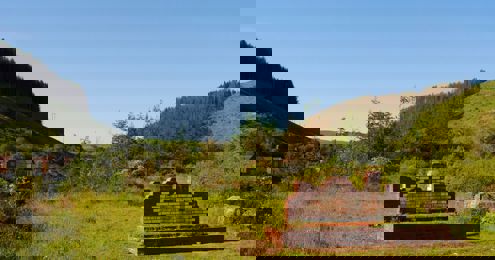
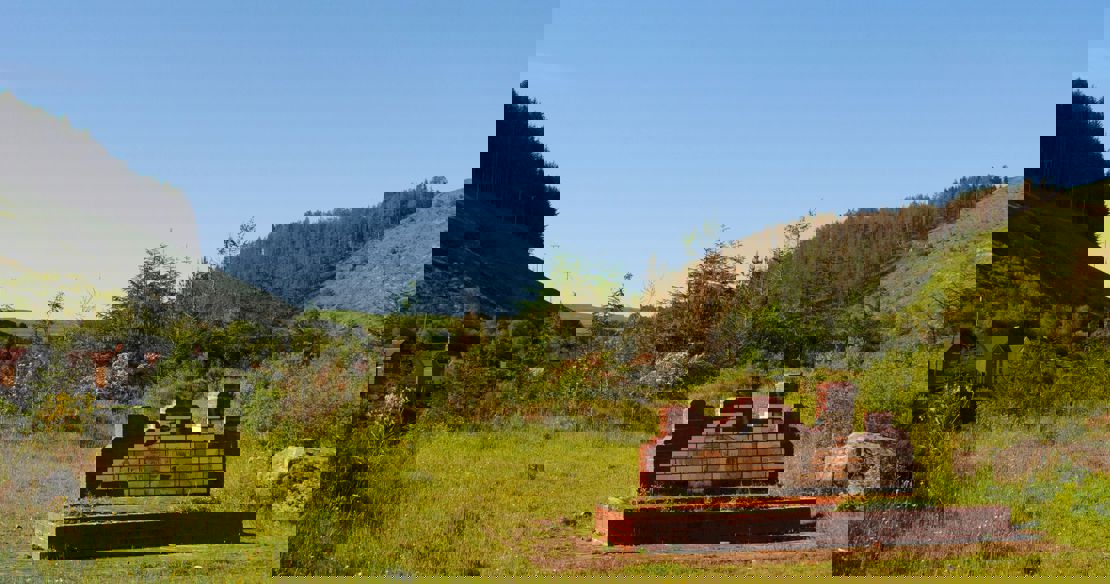
Cymmer Tip CWS lies alongside the Afon Corrwg, just north of Cymmer, and is a mosaic of species‑rich habitats that have developed naturally on former coal spoil. The site supports wet heath and wet acid grassland, attracting a diverse range of invertebrates, and follows the river corridor for roughly 1.2km on a gentle south‑facing slope. As a designated Site of Importance for Nature Conservation, it received targeted invasive species management and habitat maintenance to help protect and enhance its valuable biodiversity.
Glyncorrwg Community Wild Space
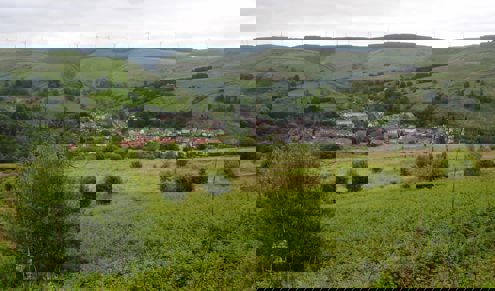
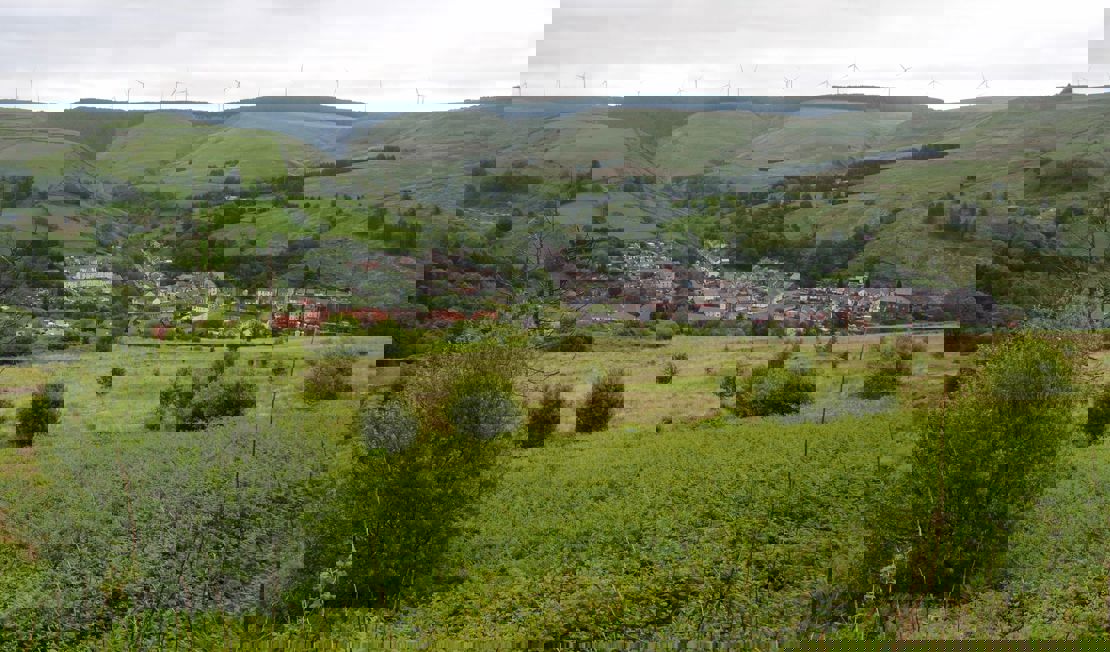
The Glyncorrwg Community Wild Space sits on the edge of the village and occupies a small area of formerly afforested upland, now dominated by purple moor‑grass. The site’s north‑easterly slope is bordered by tracks, roads and neighbouring conifer plantation, with a fence line separating it from private land. Designated as a Site of Importance for Nature Conservation (SINC), the area has recently been equipped with new grazing infrastructure, including fencing and a sorting pen, and is set to be managed through conservation grazing in the future.
Gwynfi Community Wild Space
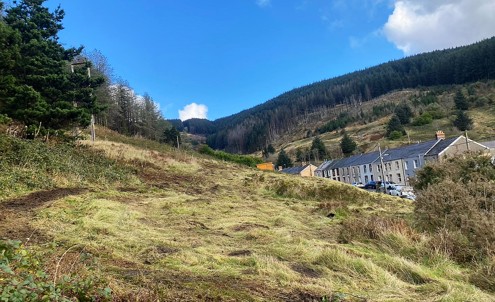
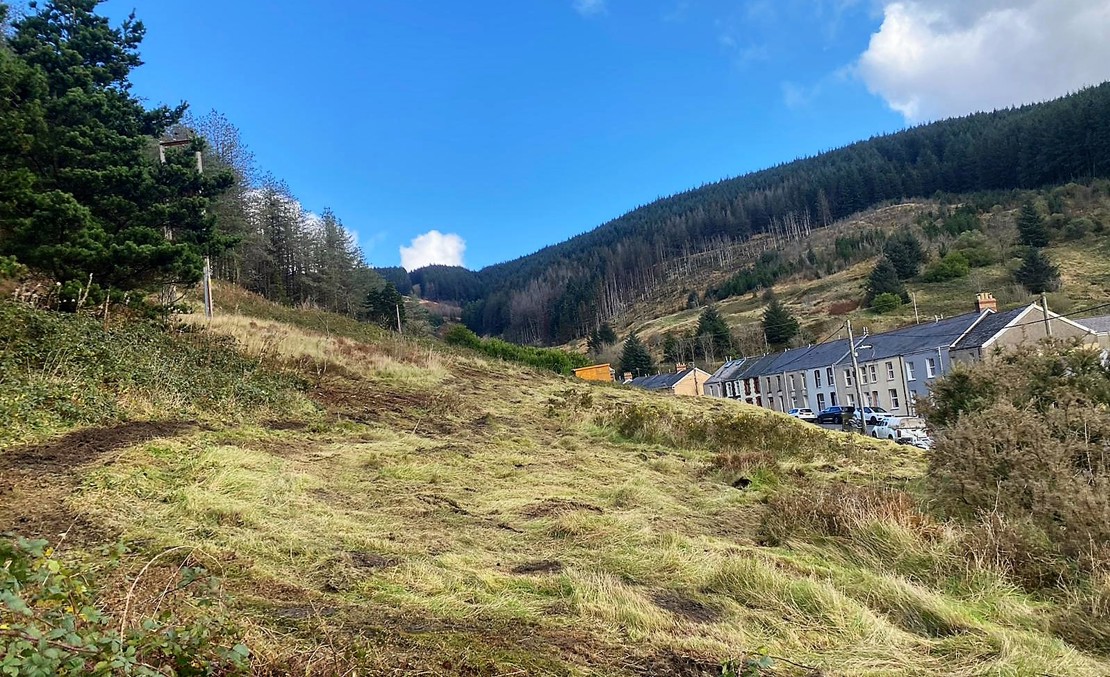
The Gwynfi Community Wild Space lies alongside Gwynfi Street in Blaengwynfi, occupying a south‑facing slope made up of neutral and dry acid grassland. Bordered to the north by areas of plantation coniferous forestry, the site forms part of an upland fringe habitat and is designated as a Site of Importance for Nature Conservation (SINC). During the project, the grassland was managed through cut‑and‑collect works, helping to reduce nutrient levels, support wildflower diversity and improve overall habitat condition.
Blaenrhondda Community Wild Space
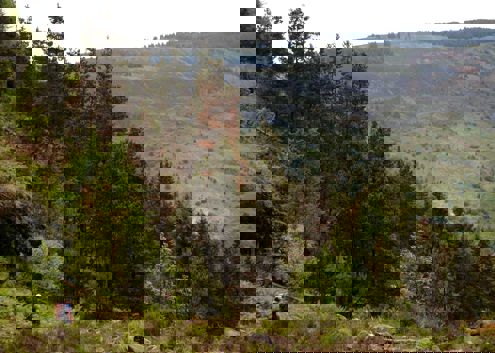
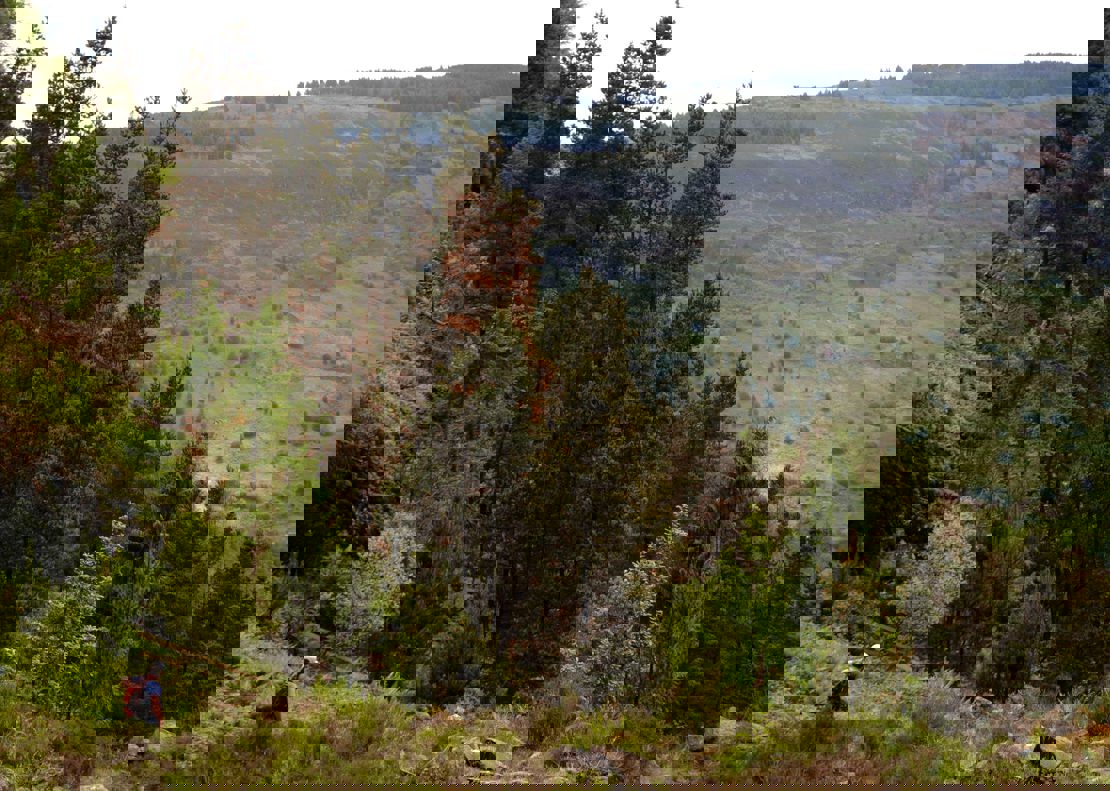
The Blaenrhondda Community Wild Space surrounds the summit of Pen Pych, following the circular walking route from the car park to the peak and back. The site contains a mix of broadleaved woodland, summit conifer plantation, heathland, upland grassland and rocky crags, with two waterfalls along the Nant Berw Wion enhancing its dramatic landscape. Designated as a Site of Importance for Nature Conservation (SINC), the area benefited from invasive non‑native species (INNS) management during the project, alongside public events that helped people explore and enjoy this unique setting.
Cwmparc Community Wild Space
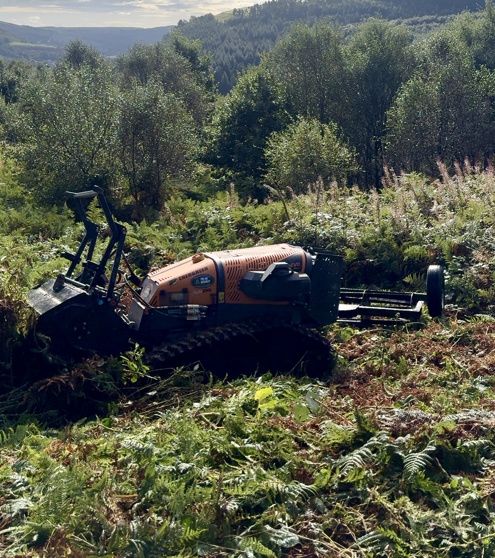
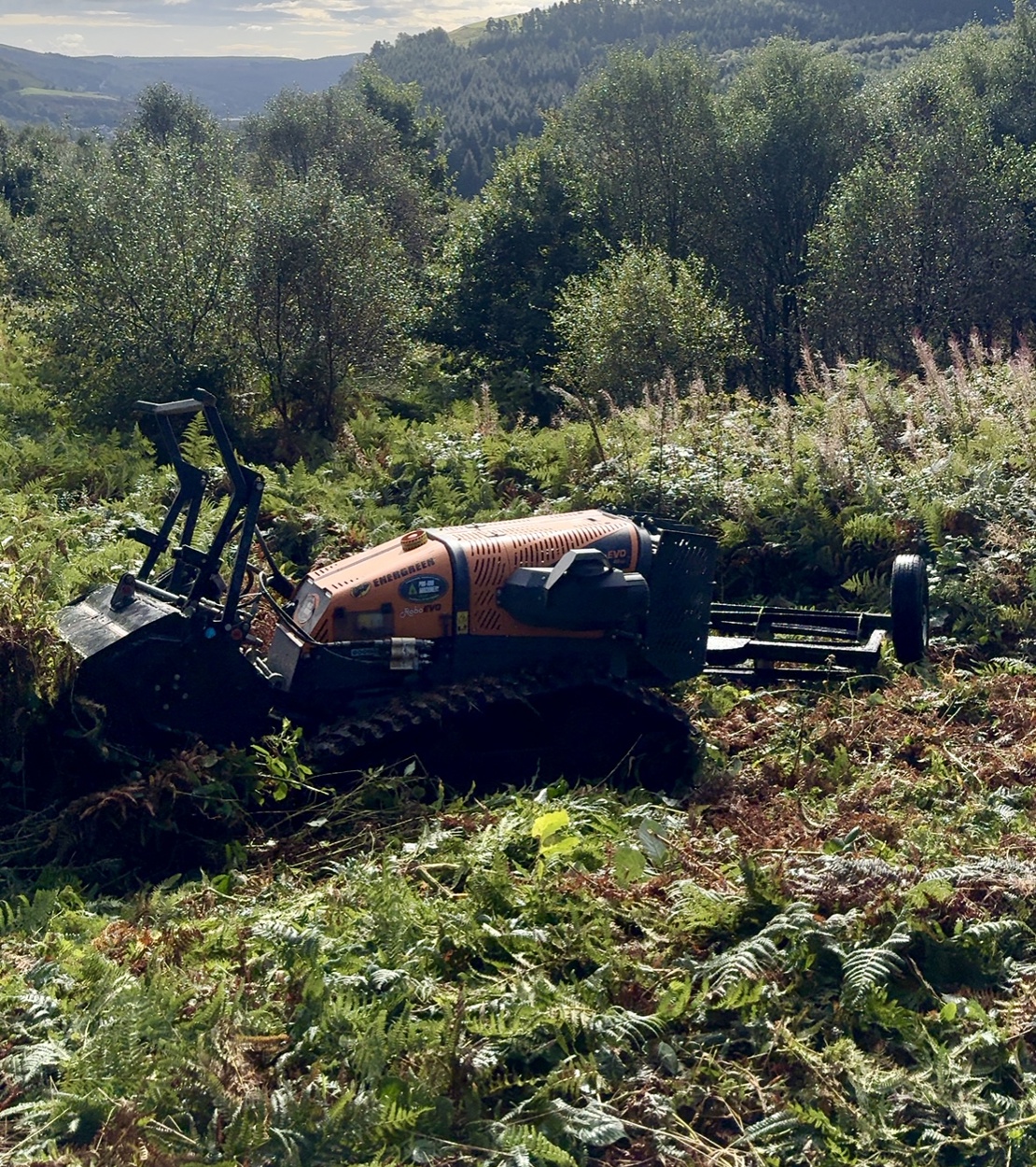
The Cwmparc Community Wild Space sits on the northern edge of Cwmparc and the western boundary of Treorchy, featuring a mosaic of upland habitats including broadleaved woodland, bracken‑dominated slopes and plantation conifer. Designated as a Site of Importance for Nature Conservation (SINC), the site benefited from targeted bracken management during the project to help improve habitat structure and support upland biodiversity.
Hendre Mynydd Community Wild Space
The Hendre Mynydd Community Wild Space lies north of Blaenrhondda, adjoining the Pen y Cymoedd Habitat Management Area and linking directly with both the Blaenrhondda CWS and the Hendre’r Mynydd car park. The site contains extensive areas of heathland, upland grassland and rocky scree, with the Nant Garreg Llewyd running through its centre. Designated as a Site of Importance for Nature Conservation (SINC), the CWS forms a valuable upland habitat with strong connectivity across the wider peatland landscape.