Achieved Outcomes
-
A wider and more diverse range of people became involved in heritage, including volunteers, schools, community groups and participants who had never previously engaged with the upland landscape.
-
Heritage is now in better condition, with restored peatland habitats, improved ecological function and increased presence of bog‑specialist species across key sites.
-
Natural and cultural heritage have been better identified, recorded and explained, supported by new research, detailed monitoring, community participation and enhanced interpretation.
-
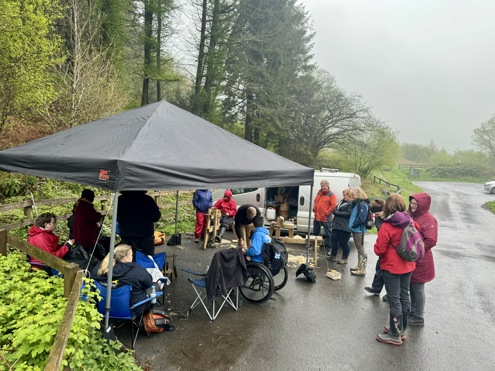
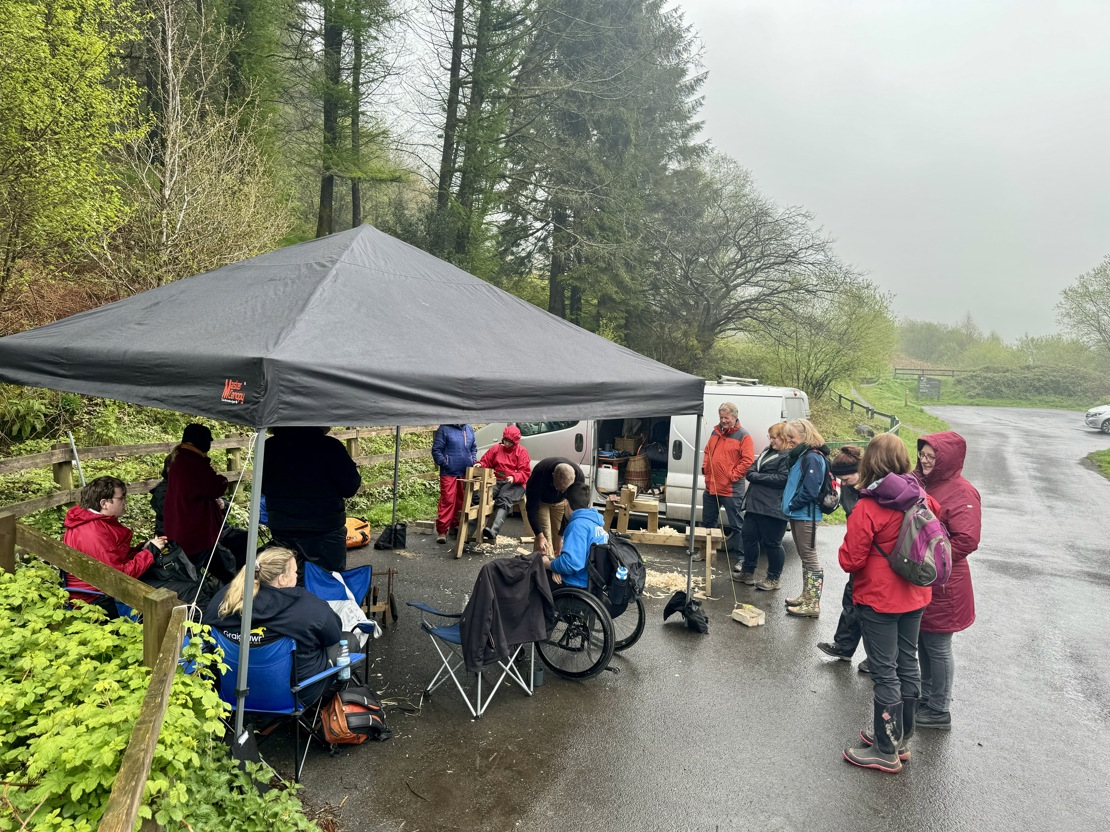
People developed new skills, including practical conservation skills, ecological survey techniques, wellbeing activities, outdoor learning methods and traditional land‑management practices.
-
Learning about heritage led to positive changes in attitudes, understanding and behaviours, particularly around peatland ecology, wildfire prevention, biodiversity and climate resilience.
-
Local people experienced improved wellbeing, supported by nature‑based activities, outdoor programmes, volunteering and social‑prescribing pathways.
-
The local area is now a better place to live, work and visit, with improved access, enhanced landscapes, stronger community connections to place, and new opportunities for recreation, volunteering and education.
Objectives (Achieved!)
Natural Heritage
-
Restore and manage upland peatland habitats.
Improve the condition of degraded sites to increase biodiversity and support the recovery of functioning, climate‑resilient ecosystems. This contributes to reducing the impacts of climate change, wildfires and flooding. -
Survey and monitor habitats, species and hydrology.
Gather high‑quality ecological and hydrological data to ensure the area’s natural heritage is better recorded, understood and used to inform long‑term management and best practice. -
Undertake research to address evidence gaps.
Conduct scientific research into afforested peatland restoration to inform future work within the Lost Peatlands area and contribute to best practice across Wales and beyond.
Historical Heritage
- Research and share the landscape’s cultural history.
Explore how people have interacted with these uplands over time and communicate the stories, traditions and discoveries that emerge from this research.
Facilities
- Improve access, interpretation and activity provision.
Enhance routes, interpretation and visitor experiences to encourage exploration of the Lost Peatlands landscape and support meaningful engagement with its natural and cultural heritage.
People
-
Support local health and wellbeing.
Provide accessible health‑ and wellbeing‑focused activities, including programmes available through self‑referral and green social prescribing. -
Create learning opportunities for schools and communities.
Use school grounds and outdoor spaces to help learners and communities engage with the area’s heritage, develop new skills and deepen their understanding of natural and cultural environments. -
Provide opportunities for volunteers and students.
Involve people directly in managing, monitoring and recording natural and historical heritage, while offering chances to learn traditional land‑management skills and nurture a sense of stewardship. -
Raise awareness through interpretation and marketing.
Use creative communication and interpretation to promote the Lost Peatlands project and encourage people to visit, explore and experience the area. -
Deliver community events and activities.
Provide enjoyable opportunities for local people and visitors to connect with the landscape and its heritage.
Science & Research
-
Demonstrate best practice and high environmental standards.
Embed sustainability across all project activities, ensuring that restoration and management methods reflect current scientific evidence and environmental best practice. -
Deliver comprehensive monitoring and evaluation.
Implement large‑scale monitoring of habitat works, generating robust scientific evidence that will inform peatland restoration across Wales and contribute to national and international research.