Volunteering With the Lost Peatlands
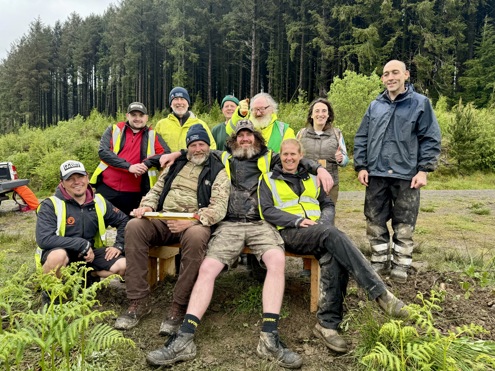
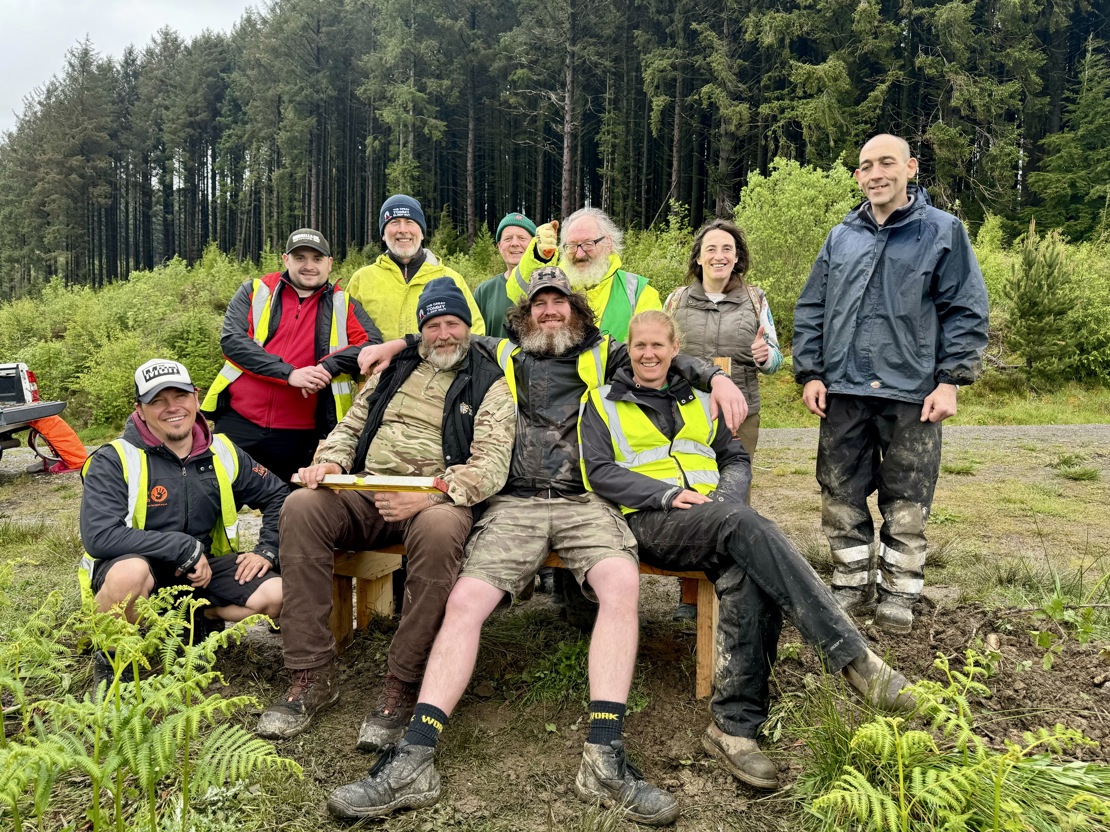
Throughout the project, volunteers played a vital role in helping manage our Habitat Restoration Areas and Community Wild Spaces across the upper Afan Valley and upper Rhondda Fawr. Their contribution supported habitat restoration, wildlife monitoring, heritage recording and the delivery of community events.
What Volunteers Did
We offered a range of volunteering opportunities across the project area, including:
- Wildlife surveying – supporting ecological monitoring of birds, bats, water voles, vegetation and peatland condition
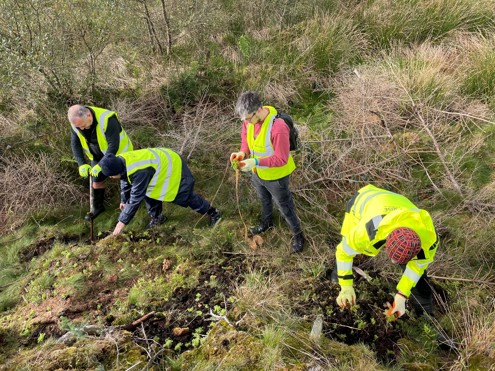
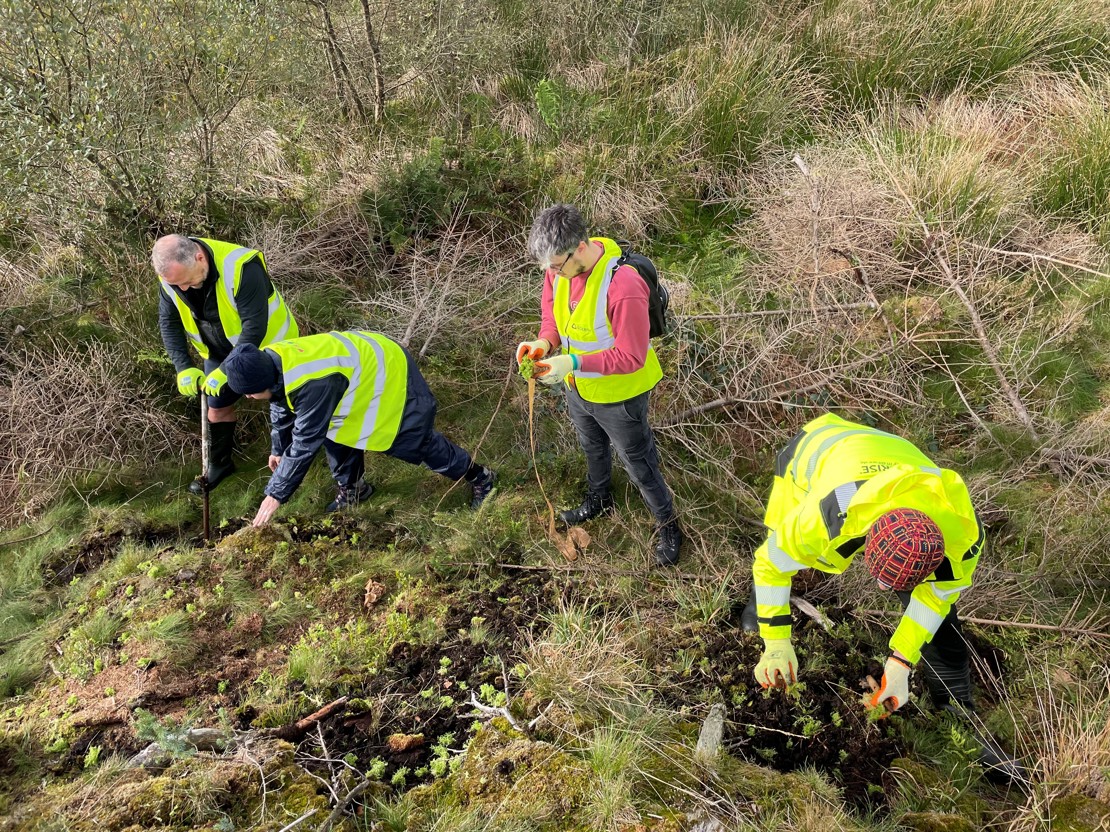
- Practical conservation tasks – including path maintenance, invasive‑species control, peatland restoration support and woodland edge management
- Event support – helping to run guided walks, community activities, school visits and public events
- Heritage contributions – sharing knowledge, stories, place‑names and memories of the uplands
Volunteer sessions took place throughout the year, with increased activity during spring and summer when ecological monitoring and restoration tasks were at their busiest.
Where Volunteering Took Place
Our aim was to make volunteering accessible to as many people as possible, so regular sessions were held at our Community Wild Spaces, all situated in or near local communities.
For those seeking a true upland experience, volunteers also joined us in the Habitat Restoration Areas — including Castell Nos, Cwm Saerbren and Cregan — where they supported peatland restoration and wildlife monitoring in more remote settings.
Support for Volunteers
To ensure everyone felt welcome and able to take part, we provided:
- All tools and equipment needed for tasks
- Personal Protective Equipment (waterproofs, boots, gloves) where required
- Travel expenses for volunteers supporting activities at remote Habitat Restoration Areas
Inclusivity remained a priority throughout, and we encouraged people of all backgrounds, abilities and experience levels to get involved.
Local Knowledge and Heritage
Local knowledge was invaluable to the project. We actively invited volunteers and community members to share:
- Memories of the landscape
- Stories, traditions and past uses
- Historic features and family connections to the uplands
- Insights from local groups or community historians
This helped ensure that the heritage, traditions and lived experiences of the area were recorded and celebrated, not lost.
Get in Touch
If you would like to stay involved in future opportunities or have skills, knowledge or stories to share about the local landscape, we’d love to hear from you.
Please contact us for more information or visit NPT Local Nature Partnership for other opportunities.