National Resident Survey 2025 - Neath Port Talbot Responses
What you told us and how we are responding
Thank you to everyone who took part in the Resident Survey 2025.
Your feedback helps us understand what matters most to people living in Neath Port Talbot.
The aim of this document is to feed back to residents about the main messages from the survey and how they connect to council services, current plans and ongoing work to improve life across the county borough.
Your area, environment and community wellbeing
Respondents to the survey told us that while many people value Neath Port Talbot as a place to live, there are concerns about how well some areas are looked after, local cleanliness, safety after dark and the condition of the local environment.
Figure 12: how satisfied or dissatisfied are you with your local area as a place to live?
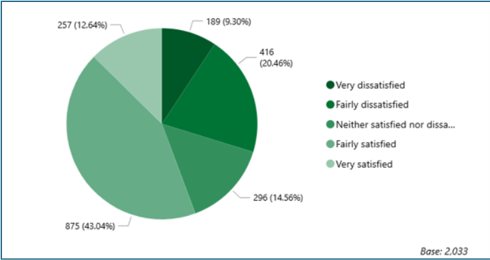
Figure 12 shows that more than half of the respondents (55.68%) are either very or fairly satisfied with their local area as a place to live. 29.76% were either very or fairly dissatisfied with their local area as a place to live.
Figure 13: Please indicate to what extent you agree or disagree with the following statements:
- people in my local area get on well and help each other
- people in my local area pull together to improve the local area
- I feel part of my local area
- my local area is well looked after
- my local area has a clean environment
- the air quality in my local area is good
- there are enough green spaces in my local area
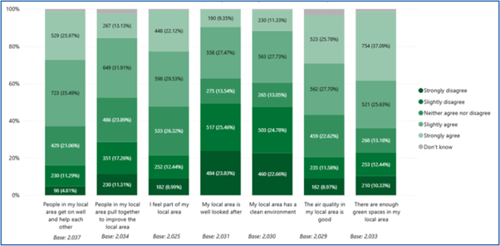
Figure 13 shows that just over half of respondents strongly or slightly agreed that:
- they are satisfied with their local area as a place to live (64.7%)
- people in their local area get on well and help each other (61.46%)
- there are enough green spaces in their local area (62.72%)
- the air quality in their local area is good (53.48%)
- they feel part of their local area (51.63%)
Just under half strongly or slightly disagreed that:
- their local area is well looked after (49.29%)
- their local area has a clean environment (47.44%)
Figure 14: How safe or unsafe do you feel when outside in your local area during the day?
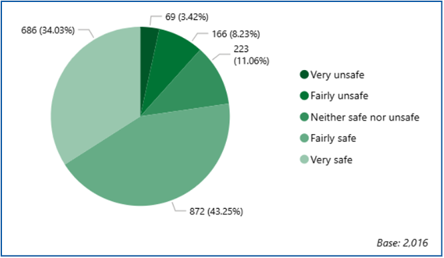
Figure 14 shows that the majority of respondents (77.28%) feel very or fairly safe when outside in their local area during the day. 11.65% feel very or fairly unsafe when outside in their local area during the day.
Figure 15: How safe or unsafe do you feel when outside in your local area after dark?
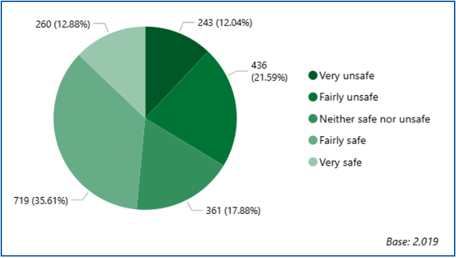
Figure 15 shows that just over half of respondents (53.49%) feel very or fairly safe when outside in their local area after dark. Just under a quarter (24.92%) feel very or fairly unsafe when outside in their local area after dark.
Figure 16: Would you recommend Neath Port Talbot as a place to live?
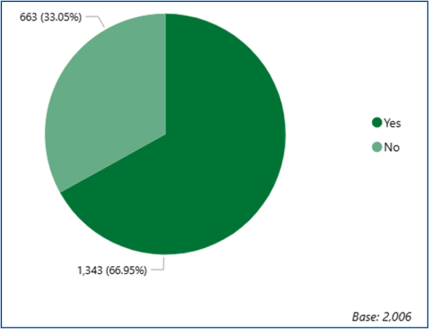
Figure 16 shows that many respondents have a positive view of Neath Port Talbot as a place to live, with 66.95% stating they would recommend it.
What have we already done
In response, we are continuing to invest in services that support cleaner, safer and more attractive communities. This includes waste and recycling services, street scene work, environmental health activity, play and park improvements, community safety partnerships and regeneration projects across our towns, valleys and neighbourhoods.
Work to improve public spaces, parks, heritage sites and visitor destinations also supports our wider aim of creating places that people can enjoy now and in the future.
Destination Management Plan
The council has developed a Destination Management Plan which sets out how Neath Port Talbot intends to sustain, grow and manage its visitor economy between 2023 and 2028. The plan recognises the economic and social value of tourism and provides a shared framework for developing the county borough as a visitor destination, helping to improve experiences for visitors while supporting local communities, businesses and places. This supports the wider aim of making Neath Port Talbot a place where people can enjoy high-quality outdoor spaces, heritage, culture and visitor attractions.
Culture Strategy
The council has developed a Culture Strategy which takes a broad view of culture, covering heritage, sport and the arts. The strategy aims to capture the unique spirit of Neath Port Talbot, strengthen people’s sense of belonging and place, grow audiences, attract visitors and support local prosperity. It also helps to ensure that local culture, heritage and the historic environment are protected and sustained for future generations.
Heritage Strategy
The council has continued to strengthen its approach to heritage, recognising the important role it plays in local identity, wellbeing, social inclusion, the economy and pride in place. Work has included developing priorities for heritage and culture, supporting partnership arrangements, and seeking investment to conserve, promote and improve access to the county borough’s heritage assets. This helps ensure that Neath Port Talbot’s local history, historic environment and cultural heritage can be enjoyed by residents, communities and visitors now and in the future.
Safer NPT
The council’s community safety team plays a key role in the Safer Neath Port Talbot Partnership. The partnership operates a multi-agency approach to community safety and crime and disorder issues.
As a partnership, we are committed to working together to achieve sustainable reductions in crime, fear of crime and anti social behaviour as well as providing practical crime prevention and community safety advice and reassurance.
What are we planning to do
Neighbourhood Improvement Plan
The council has approved a Neighbourhood Improvement Plan which will direct around £4.5m of funding into priority areas over the next three years. This includes investment in new plant and equipment for Neighbourhood Services and Rights of Way, upgrades to street furniture and bus shelters, highway repairs, and road safety schemes to support local projects that improve community spaces or facilities. This will help respond to concerns about how well local areas are looked after, the condition of public spaces, local infrastructure and road safety.
Port Talbot Town Centre Regeneration
The Port Talbot Town Centre Regeneration project includes the refurbishment of the Princess Royal Theatre and the redevelopment of Civic Square. The Civic Square element will create a safer and more functional community space, with improved public realm, new surfacing, event infrastructure and additional green infrastructure, including more trees. The Princess Royal Theatre will be refurbished to improve the customer experience, create a stronger identity for the venue, improve facilities and accessibility, and support a wider cultural and events offer for residents and visitors.
Newbridge Road Bridge Active Travel Link
The council is progressing plans to restore the Grade II listed Newbridge Road Bridge and create a safe, accessible walking and cycling route linking Riverside Road and Newbridge Road. The scheme also includes a new shared footway and traffic-calming measures, helping improve safety, local connectivity and opportunities for active travel.
Waterfall Country, Pontneddfechan visitor infrastructure
Improving the visitor infrastructure at Pontneddfechan will help manage visitor pressures and improve facilities for both residents and visitors. The project includes a permanent parking solution, improved public toilets, road safety and landscaping works, a farm/community shop, low-key visitor accommodation and a play park. This will help reduce the impact of visitor pressures on the local community while improving the local environment and public facilities
About your local council
Council services and the issues people raised
The survey shows that residents have different experiences of council services.
Areas such as waste management, leisure, culture, tourism and education received stronger feedback, while highways and transport, housing, planning and building control, and economic development were less positively viewed.
We are using this insight alongside wider performance and planning work to shape improvement.
Figure 17: Overall, how satisfied or dissatisfied are you with the way Neath Port Talbot Council runs things?
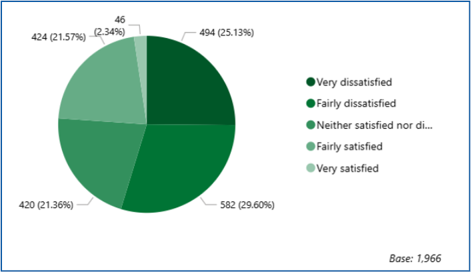
Figure 18: Generally, to what extent do you think the council...
- provides services of a high quality
- provides services that represent value for money
- takes residents' views into account when making a decision
- acts on the concerns of local residents
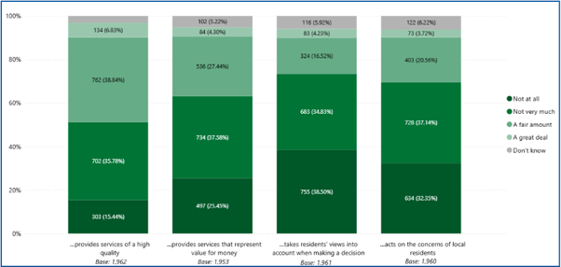
Figure 18 shows the percentage of respondents who responded positively (‘a fair amount’ or ‘a great deal’) that:
- the services provided by the council are of a high quality (45.67%)
- the services provided by the council represent good value for money (31.74%)
- the council takes residents’ views into account when making a decision (20.75%); and
- the council acts in the interest of local residents (24.28%)
More respondents gave negative responses (‘not at all’ or ‘not very much’) in relation to the same statements:
- the services provided by the council are of a high quality (51.22%)
- the services provided by the council represent good value for money (63.03%)
- the council takes residents’ views into account when making a decision (73.33%); and
- the council acts in the interest of local residents (69.49%)
The responses in figures 17 and 18 are consistent with the current climate of declining trust in local councils and the perception of whether they offer value for money (in a recent survey on residents' satisfaction with their councils by DJS Research only 50% said they trusted their council ‘a great deal’ or ‘a fair amount when asked how much they trust their local council/s overall.
When asked if they believed that their council provides value for money only around a third (36%) of respondents agreed).
Figure 19: Overall, how satisfied or dissatisfied are you with the council’s provision of…
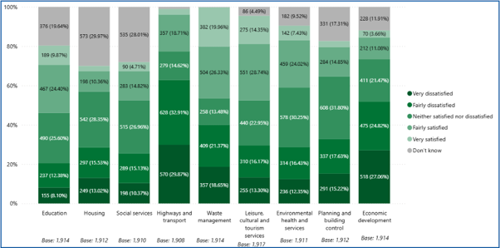
Figure 19 shows how satisfied or dissatisfied respondents are with the council’s provision of a number of services.
The higher levels of satisfaction (i.e. those who said they were very or fairly satisfied) were with services linked to:
- Waste Management (46.29%) - however, 40.02% also indicated that they were very or fairly dissatisfied with these services
- Leisure, Culture and Tourism (43.09%)
- Education (34.27%)
- Environmental Health (31.45%)
Respondents were less satisfied with services linked to:
- Highways and transport (21.59%) very or fairly satisfied
- Social Services (19.53%) very or fairly satisfied
- Planning and Building Control (18.04%) very or fairly satisfied
- Economic Development (14.74%) very or fairly satisfied
- Housing (13.13%) very or fairly satisfied
What have we already done
The council has continued to review how waste and recycling services can support higher recycling rates while remaining practical for residents, has maintained work on schools and early years provision, and is progressing major regeneration and economic development activity to support jobs, town centres and long-term growth. At the same time, we recognise that pressures on highways infrastructure, housing need and planning demand remain significant and require continued focus.
What we are planning to do
Neighbourhood Improvement Programme
In March 2026, we approved a £4.5m programme of investment designed to improve neighbourhoods, strengthen local infrastructure and support communities across the County Borough over the next three years. A portion of this amount has already supported urgent upgrades to playgrounds, and the remaining funds will now be distributed across four key areas of work.
The investment will fund:
- £250,000 for new equipment to support highways and rights of way maintenance
- £300,000 to replace and improve bus shelters and street furniture
- £2.9m for highway repairs, resurfacing, pothole repairs and road safety schemes
- a £1m Community Investment Fund to help councillors deliver local community projects.
SWITCH (South Wales Industrial Transition from Carbon Hub)
Construction has now begun on the South Wales Industrial Transition from Carbon Hub, otherwise known as SWITCH. It is a £28 million research facility designed to accelerate the decarbonisation of the steel and metals sector. When fully operational, up to 95 staff are expected to be based there. Located at Port Talbot’s Harbourside.
Waterfall Country Pontneddfechan visitor infrastructure scheme
A new 136-space car park is now open at Pontneddfechan as part of a project to support sustainable tourism in “Waterfall Country”. The car park is part of a wider suite of new visitor facilities including a play park, accommodation and shop that will all open later this year (2026).
Pride in Place Programme
The Pride in Place Programme will bring up to £20 million of investment over the next decade to support regeneration, strengthen communities and improve opportunities across the Upper Afan Valley. The targeted investment aims to benefit disadvantaged neighbourhoods by focusing on areas with the highest deprivation and weakest social infrastructure. In Neath Port Talbot, the Upper Afan Valley has the highest average rank of deprivation.
Sandfields Business Centre
Additional employment and business start-up units are being constructed at Sandfields Business Centre.
Cymmer Carriageway Realignment Scheme
We are proposing to realign the carriageway around School Road, Station Road and Maesteg Road to improve traffic movement within and around Cymmer.
Our proposals include improved parking areas, upgraded pedestrian crossings, a new shared footway and cycleway, maintenance of Cymmer bridge and further developments.
Newbridge Road Bridge
The project, called the Newbridge Road Bridge Active Travel Link, will involve reopening the bridge and linking Riverside Road and Newbridge Road to create a safe, accessible route for walking and cycling.
As part of the scheme, a new shared footway will be developed along Riverside Road, and traffic-calming measures will be introduced on Newbridge Road to improve safety and encourage active travel.
The re-opening of Newbridge Road Bridge is being considered alongside the wider Sandfields Masterplan, which aims to make it easier for everyone to walk, cycle or wheel for everyday journeys.
Interaction with the Council
Keeping residents informed and making contact easier
A clear message from the survey is that many residents do not feel well informed about council services, performance or decision making.
We know we need to do more to explain what we are doing, how people can get involved and what happens as a result of feedback.
Figure 20: Overall, how well do you think your council keeps residents informed about the services it provides?
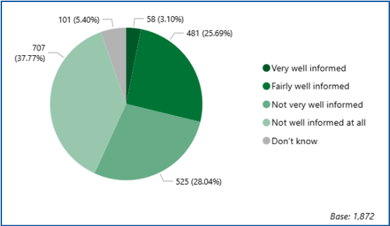
Figure 20 shows 28.79% feel that the council keeps residents very or fairly well informed about the services it provides. 65.81% feel not very well informed or not well informed at all.
Figure 21: To what extent do you agree or disagree with the below statements:
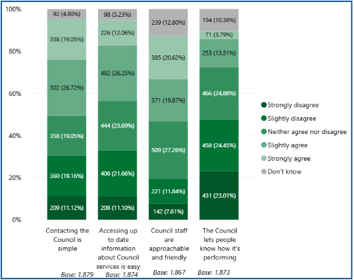
Respondents were presented with a series of statements and asked to indicate what extent they agreed or disagreed with them.
Figure 21 shows the percentage of respondents who strongly or slightly agreed that:
- contacting the council is simple (45.77%)
- accessing up to date information about council services is easy (38.31%)
- Council staff are approachable and friendly (40.49%)
- the council lets people know how it’s performing (17.3%)
What have we already done
A recent review by Westco Communications found that Neath Port Talbot Council has a strong and committed communications team, but that there is an opportunity to make communication with residents more joined-up, strategic and customer-focused. The review has already led to a number of positive changes, including the appointment of a new Head of Customer Experience and Communications to provide leadership across communications, engagement and customer services.
It has also supported work to streamline services, improve the way the council communicates with residents, and develop new Strategy for Involvement, Engagement and Consultation. These improvements will help ensure that residents receive clearer information, have more opportunities to share their views, and can access council services more easily. Ultimately, the review is helping the council build stronger relationships with its communities by making it simpler for people to engage with, influence and understand the work of the council. View the report.
Neath Port Talbot Council already has a Public Participation Strategy 2023-2027 in place, which is designed to give residents more opportunities to influence decisions that affect their communities. Through a range of engagement activities, including public consultations, community engagement events, public meetings and the Citizens' Panel, the strategy aims to ensure that local people have a voice in shaping council services and future priorities. By encouraging open and accessible participation, the council is working to build stronger relationships with residents and make decision-making more transparent, inclusive and responsive to local needs.
As part of the council's wider commitment to improving engagement, the Citizens' Panel is currently being reviewed to ensure it continues to reflect the views of communities across Neath Port Talbot and provides meaningful opportunities for residents to have their say. The review aims to strengthen the panel's reach, improve representation from different groups and communities, and enhance the way feedback is gathered and used to inform council decisions. By refreshing and developing the panel, the council hopes to create an even more effective way for residents to influence local policies, service improvements and future developments in the area.
In 2024 we launched myNPT. myNPT is a simple, secure way for residents to connect with Neath Port Talbot Council online. By creating a free account, you can access a range of services in one place – from reporting issues and requesting services to getting real-time updates, bin collection reminders, and local news and events. It’s designed to make things quicker and easier, so you can get what you need, when you need it, without having to call or queue. Find out more.
What we are planning to do
We are also strengthening our planning and performance arrangements so that feedback, performance information and engagement findings are used more consistently in decision making and reported more clearly.
Alongside this, the council continues to provide a range of contact routes, including online forms, phone and email, and is working to improve how residents find up-to-date information about services.
MyNPT - we are continuing to add new services and features to MyNPT. This is to ensure residents can access popular council services anytime, making it easy to get what you need, when you need it.
- Bin collection reminders
- Access to school news and information
- Report issues
- Find local events
- Make service requests and get real-time updates
- Find local planning applications
Language, accessibility and inclusion
The survey responses suggest that most residents feel services are available in their preferred language and in accessible formats, but the experience is less positive for some groups, including Welsh speakers. This is an important area for continued improvement. The council is taking this forward through its Welsh Language Promotion Strategy, bilingual communications, Welsh and bilingual childcare growth, and ongoing work to increase the visibility and everyday use of Welsh across services and communities. This sits alongside wider equality and inclusion work, including support to make services more accessible, improve digital inclusion and ensure that different groups are better able to access information, support and opportunities.
Figure 22: Availability of council services in different languages and formats
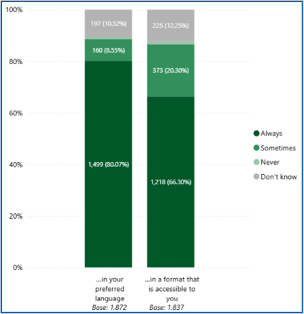
Figure 22 shows the majority of respondents (80.07%) feel that council services are always available in their preferred language. This decreased to 54.55% amongst those who said Welsh was their preferred language.
In addition, 66.30% said that council services are always available in a format that is accessible to them.
Figure 23: Tell us about your experience of the following council processes:
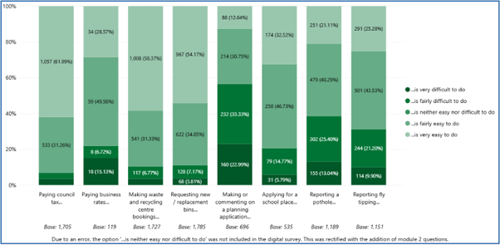
Figure 23 shows that more than half of respondents found the following very or fairly easy:
- paying council tax (93.25%)
- making Waste and Recycling Centre Bookings (89.7%)
- requesting new / replacement bins (89.02%)
- applying for a school place (79.25%)
- paying Business Rates (78.15%)
- reporting fly tipping (68.81%)
- reporting a pothole (61.4%)
The only process that less than half of the respondents found very or fairly easy to do was making or commenting on a planning application (43.39%).
Figure 24: Have you attempted to contact Neath Port Talbot Council in the last 12 months?
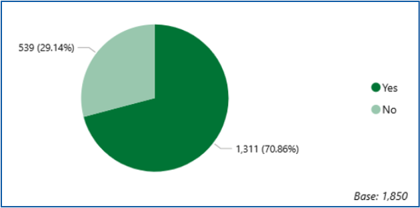
Figure 24 shows that 70.86% of respondents had attempted to contact the council in the last 12 months.
Figure 24A: [If yes] On the most recent occasion, how did you attempt to contact Neath Port Talbot Council
![Figure 24A: [If yes] On the most recent occasion, how did you attempt to contact Neath Port Talbot Council - 404 emailed, 562 phones, 672 completed an online form, 42 via social media, 90 contacted a specific officer, 217 contacted their councillor, 42 contacted another elected official, 78 responded to a consultation, 14 attended a Council meeting, 14 attended a Town or Community Council meeting, 46 attended a public/community meeting, 136 signed a petition, 27 other](/media/wrmfwdan/figure-24a.png?rmode=max&width=500)
Figure 24A shows that the most 5 most popular ways in which respondents had attempted to contact the council were:
- completing an online form (51.89%)
- phoning the council (43.40%)
- emailing the council (31.20%)
- contacting their local councillor (16.76%)
- signing a petition (10.5%)
Figure 24B. [If yes] On the most recent occasion, even if the ultimate outcome or decision was not what you wanted, how satisfied were you with the way the Council handled your query?
![Figure 24B. [If yes] On the most recent occasion, even if the ultimate outcome or decision was not what you wanted, how satisfied were you with the way the Council handled your query? 251 very dissatisfied, 225 fairly dissatisfied, 211 neither satisfied nor dissatisfied, 347 fairly satisfied, 260 very satisfied](/media/qk2ajhky/figure-24b.png?rmode=max&width=392&height=156)
Of those who had attempted to contact the council in the last 12 months, 46.91% were very or fairly satisfied with the way the council handled their query. 36.79% were very or fairly dissatisfied.
Figure 25: Are you aware that there are a number of council meetings that the public can attend in-person or online?
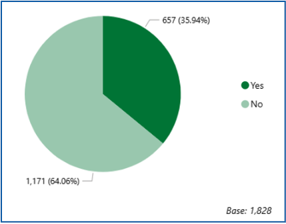
Figure 25 shows that 35.94% of respondents were aware that there are a number of council meetings that the public can attend in-person or online, while 64.06% were not aware.
Figure 26: How much do you trust Neath Port Talbot Council?
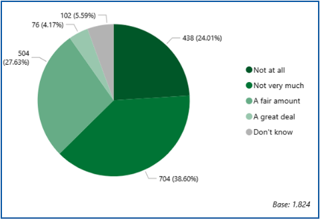
Figure 26 shows that 31.8% of respondents trust the council a great deal or a fair amount. 62.61% said they do not trust the council very much or at all.
What we have already done
The Council is delivering a range of targeted actions through its Welsh Language Promotion Strategy to increase the visibility and everyday use of Welsh across Neath Port Talbot. A key example is the launch of the Dewch i Sgwrsio (Let's Talk) campaign during Eisteddfod yr Urdd Dur a Môr 2025, which promotes opportunities for residents to learn and use Welsh in their daily lives. Since its introduction, the number of Welsh-language events promoted through the Council's "What's On" database increased from 45 to 133 during 2025-26. The Council has also re-established the Fforwm Iaith Castell-nedd Port Talbot, bringing together public, community and voluntary sector partners to coordinate efforts to promote and strengthen the Welsh language locally. These initiatives are complemented by ongoing bilingual communications, an active offer to correspond with the Council in Welsh, and the promotion of Welsh language and culture through major programmes such as the Richard Burton Centenary celebrations.
The Council is also strengthening its ability to provide high-quality bilingual services through workforce development and improved organisational capacity. During 2025-26, Welsh translation capacity was increased from 1.2 to 2 full-time equivalent posts, supported by the establishment of a new Welsh Translation Support Function. In addition, more than 4,700 employees have completed the Council's Welsh Language eLearning programme, while initiatives such as Hyder...ish learning sessions and planned Welsh conversation groups are helping to build staff confidence in using Welsh. The forthcoming Internal Use of Welsh Policy will further support employees to use Welsh more frequently in their day-to-day work. These actions sit alongside broader equality and inclusion initiatives focused on improving accessible communications, digital inclusion and ensuring residents can access information and services in ways that meet their individual needs.
Alongside our work to strengthen access to services through the Welsh language, the Council continues to deliver a wide range of initiatives aimed at ensuring services, opportunities and support are inclusive and accessible to all communities. During 2025/26, 98 employees were supported through advice and guidance on reasonable adjustments and disability passports, helping to ensure that workplace needs were identified, understood and appropriately addressed. The Council also continued to promote inclusion and awareness for LGBTQ+ communities through dedicated engagement events, including a Pride Month event in June 2025 and an LGBTQ+ History Month event in February 2026. Both events were open to staff and members of the community, featured guest speakers sharing lived experiences and information stands from partner organisations, and attracted around 40 to 50 participants at each event. These activities help foster a more inclusive culture, raise awareness of different experiences and strengthen relationships with underrepresented communities.
Targeted support for children and young people remains an important part of the Council's approach to inclusion. During 2025/26, Youth Services engaged 127 young carers, while a newly established Young Adult Carers Group supported a further 31 young people. Dedicated groups also provided support for 19 LGBTQ+ young people and 30 young people with Speech, Language and Communication Needs (SLCN). Through targeted group work and one-to-one support delivered by Families First Youth Workers, 208 young people (95% of those surveyed) reported improvements in their emotional and mental wellbeing. Additional support was provided for care-experienced young people through weekly life-skills sessions delivered in partnership with Action for Children, while workshops delivered by Brook supported young people to develop a better understanding of healthy and positive relationships.
The Council is also embedding equality, diversity and inclusion considerations into its decision-making processes. During 2025/26, the Member Training Framework included a range of mandatory training programmes covering areas such as Welsh Language, Safeguarding, Violence Against Women, Domestic Abuse and Sexual Violence (VAWDASV), and Integrated Impact Assessments (IIAs). This helps ensure elected members are equipped to understand and consider the needs of diverse communities when making decisions and enables equality impacts to be identified and addressed at an early stage. Collectively, these initiatives demonstrate the Council's commitment to creating a more inclusive organisation and community, where people from different backgrounds and with different needs can access support, participate fully and achieve positive outcomes.
Your local Councillor
The survey responses suggest that many residents have a basic awareness of local councillors and their role, but there is still more to do to improve understanding and visibility.
Local councillors play an important part in representing communities, raising local issues and helping residents connect with council services and decisions. Improving awareness of who councillors are and what they do can help strengthen local democracy and make it easier for residents to know where to turn for support or representation.
Figure 27: To what extent were you aware of the responsibilities of local councillors?
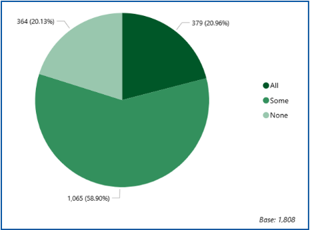
Figure 27 shows that 78.96% of respondents were aware of some (58.90%) or all (20.96%) the responsibilities of local councillors. 20.13% were not aware.
Figure 28: Do you know who your local councillor(s) is?
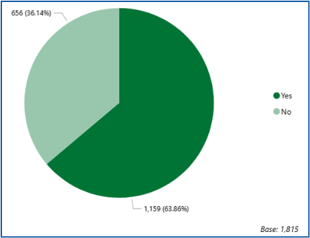
Figure 28 shows that a high proportion of respondents (63.86%) know who their local councillor(s) is/are, while 36.14% do not.
What have we already done
Encouraging residents to have their say
We are committed to making it easier for residents to influence the decisions that affect their communities. Through our Public Participation Strategy, we are increasing opportunities for people to get involved in shaping council policies and services through consultations, citizens’ panels, public meetings and other engagement activities. We are also working to make participation more accessible, inclusive and transparent, ensuring residents understand how decisions are made, how they can have their say, and how their feedback has helped shape the outcomes.
What are we planning to do
Supporting democratic participation
We are committed to helping residents understand and engage with the democratic process. During major elections, including the Senedd election in May 2026, we proactively provided information about who was standing as candidates, the constituency boundaries, how to register to vote, how the voting system works and where residents could find impartial information about the election. We also shared election results and information about successful candidates, helping residents understand how decisions are made and how they can play an active role in shaping the future of their communities. This approach supports our wider commitment to encouraging participation, improving awareness of democratic processes and ensuring residents have the information they need to make their voices heard.
What happens next
Some of the strongest messages in the survey relate to trust, value for money, whether residents feel listened to, and whether the council is acting in local people’s interests.
We understand that confidence is built not only through decisions, but through openness, accountability and visible action. The council’s corporate strategy, annual reporting, self-assessment and performance management framework are intended to support this by being clear about priorities, progress and where improvement is needed.
We also know that closing the loop matters. That is why we will continue to use resident feedback to shape services, inform future engagement and improve how we explain decisions, constraints and next steps.